
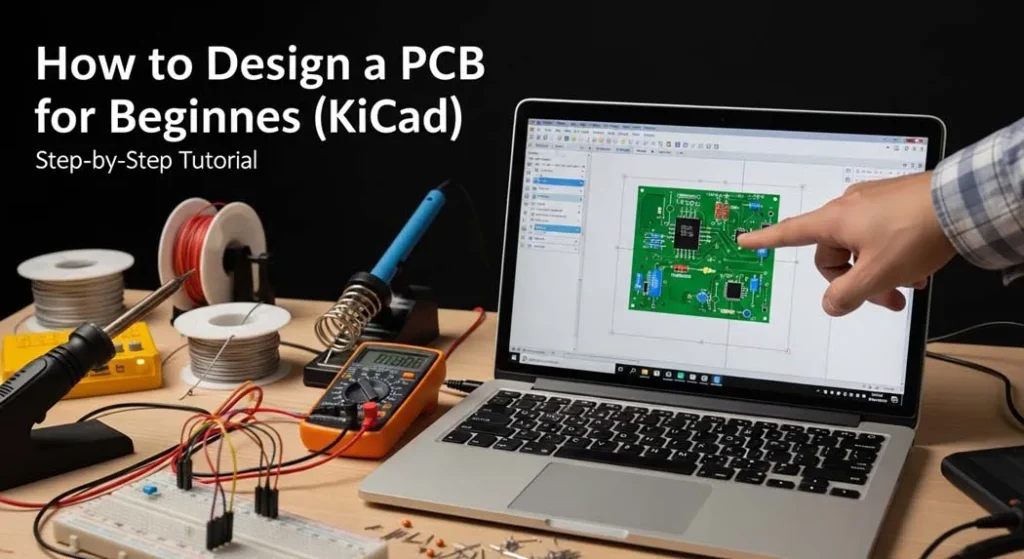
PCB Design
PCB Design: A Comprehensive Guide to the Process and Importance
Printed Circuit Board (PCB) design is a critical process in the creation of electronic devices. PCBs act as the backbone of most electronic products, providing physical support for the components and enabling electrical connections between them. Whether you’re designing a small, single-layer PCB for a simple device or a complex multi-layer PCB for an advanced piece of technology, understanding the fundamentals and best practices of PCB design is essential.
This guide will cover the key aspects of PCB design, including its importance, the design process, essential tools, common challenges, and the best practices to ensure an optimized, functional, and manufacturable PCB. Additionally, we’ll explore how to optimize your PCB design for various factors, such as performance, cost, and manufacturability.
What is PCB Design?
PCB design involves the creation of a blueprint for a printed circuit board that outlines the placement of components, electrical connections, and various other elements such as vias, traces, and pads. The goal is to create a functional, efficient, and reliable board that ensures the proper functioning of an electronic device.
PCBs are typically made of insulating materials such as fiberglass or epoxy, and they contain conductive pathways (traces) that connect different components. The design is done using specialized software, known as Electronic Design Automation (EDA) tools, which help engineers layout the board and generate the necessary files for manufacturing.
Types of PCBs
Single-Sided PCB: The most basic type of PCB, where all components are placed on one side, and traces are on the opposite side.
Double-Sided PCB: These PCBs have components and traces on both sides, making them more compact and suitable for more complex designs.
Multi-Layer PCB: Multi-layer PCBs consist of multiple layers of conductive material sandwiched between insulating layers. These are typically used in high-performance devices like smartphones and computers.
Rigid, Flexible, and Rigid-Flex PCBs: Rigid PCBs are made from solid materials, flexible PCBs can be bent or twisted to fit into curved spaces, and rigid-flex PCBs combine the benefits of both rigid and flexible designs.
The PCB Design Process
Designing a PCB requires a systematic approach that includes several crucial steps. Here’s an overview of the entire process:
Schematic Design: Before starting the physical layout of the PCB, you must design the circuit schematic, which includes all the electronic components and their connections. This step ensures that the circuit functions as expected.
Component Placement: After the schematic is complete, the next step is placing the components on the PCB. The placement must be strategic, considering factors such as component size, accessibility, and heat dissipation.
Routing: Once the components are placed, the next step is to route the electrical connections (traces) between them. Routing should be done to ensure minimal interference and optimal signal integrity.
Design Rule Check (DRC): A design rule check is crucial to ensure that the design follows the specified guidelines, such as trace width, clearance between traces, and via sizes.
Simulation: Some advanced PCB designs require simulations to verify their performance under various conditions, such as temperature changes or voltage fluctuations. This step can help identify potential problems before manufacturing.
PCB Fabrication and Assembly: After finalizing the design, the PCB design files are sent to the PCB manufacturer. The board is fabricated, components are assembled, and the board undergoes testing to ensure it functions properly.
Factors to Consider for an Optimized PCB Design
Optimizing a PCB design is essential to ensure that the final product is efficient, cost-effective, and high-quality. Several factors should be considered during the design process to achieve this:
Signal Integrity: Signal integrity is crucial in preventing noise, crosstalk, and electromagnetic interference (EMI). Proper trace routing and the use of ground planes and decoupling capacitors can help maintain signal integrity.
Power Distribution: Power delivery to the components should be reliable. Inadequate power distribution can lead to voltage drops and system failures. Use power planes and carefully route power traces to minimize losses.
Thermal Management: Components generate heat during operation, and improper thermal management can cause them to overheat and fail. Ensure adequate spacing between components and consider heat sinks or thermal vias where necessary.
Manufacturability: The design should be manufacturable with the available equipment and materials. This means adhering to the manufacturing capabilities of the PCB manufacturer and designing with common component sizes and configurations.
Cost Efficiency: Keeping the design within the cost constraints is essential. Simple designs with fewer layers, components, and vias will generally be more cost-effective than complex, high-layer designs. Opt for standard sizes and materials whenever possible.
Design for Testability (DFT): Incorporating test points and ensuring the design can be easily tested during and after manufacturing will save time and costs in the long run.
Minimize Board Size: A smaller PCB is typically cheaper to manufacture and more efficient. However, this should be balanced with functionality, as reducing the size too much can cause component placement issues.
Component Selection: Choosing the right components is critical for the performance and reliability of the PCB. Pay attention to factors such as size, performance specifications, availability, and cost of components.
Common PCB Design Challenges
Routing Complexities: As the complexity of the circuit increases, routing traces between components becomes more difficult. This can lead to overcrowded areas, signal interference, and potential performance issues.
Heat Dissipation: Heat management is one of the biggest challenges in PCB design, especially for high-power circuits. Without proper heat dissipation, components can overheat, leading to failure.
Electromagnetic Interference (EMI): Ensuring that the PCB design minimizes EMI is essential, particularly in sensitive applications like medical devices, communications equipment, and industrial control systems.
Design Rule Violations: Design rule violations, such as traces being too close together or vias being too small, can cause manufacturing issues and result in non-functional boards.
Manufacturing Constraints: Different PCB manufacturers have different limitations, so ensuring the design adheres to these limitations is essential to avoid costly rework or delays.
Essential Tools for PCB Design
Several Electronic Design Automation (EDA) tools can help with PCB design. Some popular software solutions include:
Altium Designer: A powerful and widely-used tool for PCB design, known for its advanced features like 3D visualization and integrated simulation tools.
Eagle: A user-friendly PCB design tool suitable for hobbyists and engineers. It provides a comprehensive suite of design features and is available for both Windows and macOS.
KiCad: A free, open-source PCB design tool with advanced capabilities like multi-layer PCB support, schematic capture, and Gerber file generation.
Autodesk Fusion 360: A cloud-based solution for PCB design, Fusion 360 integrates design, engineering, and manufacturing into one platform.
EasyEDA: A web-based PCB design tool that allows users to create, simulate, and share their designs online.
Best Practices for PCB Design Optimization
To ensure your PCB design is both functional and cost-effective, consider the following best practices:
Use Grid Systems: Using a grid system for component placement ensures consistent spacing and alignment, making the routing process easier and reducing the chances of errors.
Ground Planes and Power Planes: Use dedicated ground and power planes to ensure stable power distribution and to reduce EMI.
Minimize Trace Length: Shorter traces reduce resistance and inductance, improving signal integrity and reducing potential delays.
Use Via-in-Pad Technology Sparingly: While via-in-pad technology can simplify component placement, it is costly and should only be used when absolutely necessary.
Design for Manufacturability: Always keep in mind the limitations of PCB manufacturing. Follow standard design rules and avoid overly complex geometries that could increase manufacturing costs.
Review and Test Your Design: Before finalizing the design, conduct a thorough review and simulate the circuit’s behavior under various conditions to catch potential issues early on.
Conclusion
PCB design is both an art and a science, requiring attention to detail, an understanding of electrical principles, and expertise in the tools available for the job. By following best practices and optimizing your design for factors such as signal integrity, power distribution, thermal management, and cost efficiency, you can create a high-quality PCB that meets the needs of your electronic device.
By staying updated on the latest PCB design trends and tools, engineers can continue to push the boundaries of what’s possible in the ever-evolving world of electronics. Whether you’re designing a simple board for a personal project or a high-performance PCB for an industrial application, a solid understanding of PCB design is key to creating a successful product.