⚡ Electrical Safety
Prevent Electrical Shock: Essential Safety Tips, GFCI Protection & NFPA 70E Standards
The definitive professional guide from Ohm’s Law body current thresholds to NFPA 70E compliance, lockout/tagout procedures, arc flash protection, and real-world incident case studies.
⏱️ 20 min read
🎓 Homeowner to Professional
📐 6 Safety Formulas
🏗️ 10 Real Case Studies
In real-world installations, I’ve seen one mistake repeated again and again: people underestimate how dangerous everyday voltage can be. A simple wet hand or damaged wire can turn a safe setup into a life-threatening situation within seconds.
🎯 Key Takeaways
- ✅ Electrical shock severity is governed by current through the body (I = V/R) wet skin drops resistance to under 1,000 Ω, turning 230V into a 230 mA lethal current over 4× the fatal threshold
- ✅ IEC 60479 defines the safe touch voltage limit at ≤50V AC; the let-go threshold is 10–16 mA and ventricular fibrillation begins at 50 mA through the chest
- ✅ A GFCI (Ground Fault Circuit Interrupter) trips at a 5 mA current imbalance within 25 milliseconds the single most effective residential protection device, mandated by NEC 210.8
- ✅ NFPA 70E governs workplace electrical safety; arc flash PPE selection requires an incident energy analysis and Hazard/Risk Category (HRC) assessment
- ✅ Lockout/Tagout (LOTO) per OSHA 29 CFR 1910.147 is mandatory before any maintenance on energized systems single most important procedure for preventing electrical fatalities
- ✅ Voltage unbalance, damaged insulation, improper grounding, and water exposure are the top four causes of fatal electrical incidents all preventable with correct installation and inspection
- ✅ Even low-voltage shocks (under 50V) can be fatal under wet conditions or prolonged contact never treat any live circuit as safe without verification

⚡ Critical Safety Insights
What Every Electrician & Safety Engineer Must Know
💧
Water Is a Force Multiplier
Wet skin resistance can drop from 100 kΩ to below 1 kΩ a 100× reduction. A 120V circuit becomes 120× more dangerous when wet conditions exist. Never assume low voltage is safe near water.
⏱️
Time Determines Injury
Duration of exposure is as critical as current magnitude. A 100 mA shock lasting 0.1 seconds may not cause fibrillation; the same current for 1 second almost certainly will. GFCIs trip in <25 ms this time margin is lifesaving.
🔌
Grounding ≠ Bonding
Grounding connects equipment to earth to limit voltage rise. Bonding connects metal parts to equalize potential. Both are required and serve different roles. Confusing them is a common and dangerous installation error.
How do you prevent electrical shock?
Electrical shock is prevented by interrupting the circuit path through the human body before a dangerous current can flow. The five core engineering controls are: (1) insulation to maintain high body resistance, (2) grounding to provide a low-resistance fault path to earth, (3) GFCIs/RCDs to detect leakage current and interrupt power in milliseconds, (4) lockout/tagout to ensure equipment is de-energized during maintenance, and (5) PPE as the last line of defence when live work is unavoidable. At home, GFCIs and tamper-resistant outlets are the highest-impact interventions. In industrial settings, NFPA 70E compliance, formal arc flash studies, and Lockout/Tagout programs are mandatory.
Safe Touch Voltage (IEC 60479)
≤50V AC under normal dry conditions; as low as 12–25V in wet environments
GFCI Trip Threshold
4–6 mA imbalance between hot and neutral → trips within <25 milliseconds
Lethal Current Threshold
50 mA across the chest causes ventricular fibrillation; death can occur within seconds
Primary Workplace Standard
NFPA 70E (USA) / IEC 60364 (International) governs all energized work procedures
📋 Table of Contents
- The Physics of Electrical Shock: Ohm’s Law & Body Current Thresholds (IEC 60479)
- Common Causes of Electrical Shock: A Root-Cause Engineering Analysis
- GFCI & RCD Protection: Technical Operation, NEC Requirements & Testing
- Electrical Safety Tips for Homeowners: A Systematic Checklist
- Electrical Safety for Workers: NFPA 70E, OSHA & Lockout/Tagout
- PPE Selection Guide: Insulated Gloves, Arc Flash Clothing & ASTM Standards
- Troubleshooting Electrical Safety Symptoms: Fault Diagnosis Guide
- Industry Standards & Compliance: NEC, NFPA 70E, IEC, OSHA, IEEE
- Engineering Case Studies: Real Incidents & Prevention Analysis
- Emergency Response to Electrical Shock: Step-by-Step Protocol
- Frequently Asked Questions
The Physics of Electrical Shock: Ohm’s Law & Body Current Thresholds

Figure 1: Body resistance, current path, and IEC 60479 lethal thresholds the physics underpinning all electrical safety engineering.
Ohm’s Law Applied to Human Body Current Path & Danger Thresholds
From field observations to Understanding why electrical shocks kill requires understanding one equation: Ohm’s Law. The current that flows through any conductor including the human body is determined by the voltage applied across it and its resistance. To understand the broader principles of electricity that underlie these dangers, our guide on electronic circuits and electromagnetic fundamentals provides the essential physics background.
Ohm’s Law Applied to Human Body
I = V / Rbody
I = Current through body (Amperes) | V = Voltage across body (Volts) | R_body = Body resistance (Ohms)
Dry skin: R_body ≈ 100,000 Ω (100 kΩ) | Wet skin / wound: R_body < 1,000 Ω (1 kΩ)
Example: 230V across wet skin (1 kΩ) → I = 230/1000 = 0.23 A (230 mA) over 4× lethal threshold
IEC 60479 Body Current Thresholds
The International Electrotechnical Commission’s standard IEC 60479 defines the physiological effects of current on the human body with clinical precision. Every electrical safety standard in existence is built upon these thresholds.
~1 mA
Perception
First sensory tingling. No muscular or cardiac effect. Not a danger at this level alone.
10–16 mA
Let-Go Threshold
Involuntary muscle contraction. Person cannot release the conductor. Duration of shock increases rapidly.
20–50 mA
Respiratory
Respiratory muscle paralysis. Sustained exposure over seconds causes asphyxiation even without cardiac arrest.
>50 mA
Ventricular Fibrillation
Disorganized heart rhythm. Requires immediate defibrillation to reverse. Fatal without intervention within minutes.
⚠️ Critical Danger Example (IEC 60479 Calculation)
A standard 230V residential circuit across wet hands (R_body ≈ 1,000 Ω): I = 230V / 1,000 Ω = 230 mA. This is 4.6× the ventricular fibrillation threshold. Even a 120V circuit in wet conditions (120/1000 = 120 mA) is well into the lethal range. The “safe touch voltage” of ≤50V AC exists precisely because 50V/1000Ω = 50 mA right at the edge of the fibrillation threshold.
Safe Touch Voltage: The 50V AC Rule Explained
IEC 60479 and IEC 60364 both specify that 50V AC is the maximum voltage considered safe for prolonged touch contact under normal dry conditions. In wet or submerged conditions, this limit drops to 12–25V AC. This explains why SELV (Safety Extra-Low Voltage) systems used in swimming pool lighting, some garden systems, and medical equipment are designed to operate below these thresholds. Understanding power supply classification and design is covered in depth in our power supply classification guide.
Safe Touch Voltage Derivation
Vsafe = Ithreshold × Rbody(min)
Dry condition safe limit: 50 mA × 1,000 Ω = 50V AC (IEC 60479 / IEC 60364 limit)
Wet condition safe limit: 50 mA × 250–500 Ω = 12–25V AC (applies to bathrooms, outdoor wet zones, pools)
This is why bathroom shaver sockets and pool lights are mandated to use SELV/PELV circuits below 12–25V
Common Causes of Electrical Shock: A Root-Cause Engineering Analysis

Figure 2: Root causes of electrical shock incidents classified by environment and failure mode.
Root Cause Analysis Electrical Shock Incident Categories
According to the National Institute for Occupational Safety and Health (NIOSH), electrical incidents cause hundreds of workplace injuries and dozens of fatalities annually in the United States with construction accounting for a disproportionate share. The Bureau of Labor Statistics consistently identifies contact with overhead power lines and failure to de-energize equipment before maintenance as the two leading mechanisms. Understanding these root causes is the foundation of systematic prevention.
Most beginners make this mistake: they focus on voltage but ignore current path. In reality, it’s the path through your body that determines how dangerous a shock becomes.
Contact with Live Conductors
In real-world scenarios Direct contact with an energized conductor whether a live wire during DIY work, an exposed bus bar in a panel, or an overhead power line during construction is the most immediate shock mechanism. The severity depends on voltage, body resistance at the contact points, current path through the body, and duration of contact. Hand-to-hand current paths crossing the chest are most dangerous; hand-to-foot paths present a lower (though still serious) cardiac risk.
Faulty Insulation and Damaged Equipment
Insulation failure is the primary cause of residential electrical shocks. Frayed appliance cords, cracked outlet covers, pinched extension cords under furniture, and aged wiring with brittle insulation all create exposed conductors. According to the Electrical Safety Foundation International (ESFI), damaged cords and improper appliance use account for the majority of preventable home electrical injuries. Any visible damage to insulation should be treated as an immediate safety hazard, not a deferred maintenance item.
Water and Electricity: The Resistance Multiplier Effect
Water dramatically reduces body resistance often by a factor of 100 or more. Dry skin may offer 100 kΩ resistance; wet skin in a bathroom or kitchen environment may present less than 1 kΩ. This means that a circuit that would cause only a startling tingle under dry conditions can deliver a fatal current when water is present. This is the quantitative reason why NEC 210.8 mandates GFCI protection in all wet and damp locations.
Improper Grounding and Bonding
Grounding connects exposed metal parts of equipment to earth, ensuring that a fault current flows to ground rather than through a person. When grounding is absent or faulty, the metal casing of an appliance with an internal insulation failure becomes energized at line voltage. The worker or homeowner who touches the casing becomes the fault path to ground. Proper equipment grounding as defined by IEEE Std 80 and NEC Article 250 is the foundational protection against this failure mode.
Overhead Power Lines
Maintaining safe distances from overhead power lines is the most critical safety measure on construction and agricultural sites. OSHA regulations and guidance from the International Association of Electrical Inspectors (IAEI) specify a minimum approach distance of 10 feet (3 meters) for lines up to 50kV, with increasing clearances for higher voltages. Crane booms, scaffolding, ladders, and even dump truck beds have caused fatal electrocutions by inadvertently bridging this distance.
GFCI & RCD Protection: Technical Operation, NEC Requirements & Testing
From field experience, GFCIs are often installed but rarely tested. I’ve personally seen homes where the device was present but failed during an actual fault because it had never been checked.
The Ground Fault Circuit Interrupter is arguably the single most important residential electrical safety invention of the 20th century. Understanding how it works and why its trip thresholds are set where they are transforms it from a regulatory requirement into a deeply understood safety tool.
How a GFCI Works: The Physics
A GFCI continuously monitors the differential current between the hot (live) conductor and the neutral conductor using a toroidal current transformer wrapped around both wires. Under normal operation, all current that flows out through the hot wire must return through the neutral wire Kirchhoff’s Current Law demands it. If even a small fraction of the current is flowing through a person or an unintended path to ground, the two currents will be unequal. When this imbalance exceeds 4–6 mA, the GFCI’s sensing circuit triggers a solenoid that physically opens the circuit within 25 milliseconds or less well before the 50 mA threshold that causes cardiac fibrillation.
GFCI Trip Logic (UL 943 Standard)
Itrip = |Ihot − Ineutral| ≥ 5 mA
I_hot = Current in hot conductor | I_neutral = Return current in neutral conductor
Trip time: ≤ 25 milliseconds at 264V (worst case) per UL 943
This speed margin: 25 ms is well below the 100–300 ms typically required to induce ventricular fibrillation at >50 mA
Safety window: GFCI interrupts current before the physiological danger threshold is reached.
GFCI vs RCD: What Is the Difference?
| Device | Trip Threshold | Standard | Primary Application | Response Time |
|---|---|---|---|---|
| GFCI (USA terminology) | 5 mA Personal Protection | UL 943 | Residential wet locations (NEC 210.8): kitchens, bathrooms, outdoors, garages, construction | <25 ms |
| RCD 30 mA (IEC terminology) | 30 mA General Protection | IEC 61008 / IEC 61009 | General wiring, industrial circuits (European/international standard) | <300 ms (30 mA); <40 ms (at 5× In) |
| RCD 300 mA | 300 mA Fire Protection Only | IEC 61008 | Equipment protection / fire hazard prevention NOT personal shock protection | <150 ms |
| AFCI (Arc Fault) | Series arc detection | UL 1699 | Bedrooms and living areas detects arcing faults in wiring before fire starts | Per signature algorithm |
NEC 210.8: Where Are GFCIs Required?
The National Electrical Code (NFPA 70) Section 210.8 mandates GFCI protection for all 15A and 20A, 125V receptacles in the following locations:
- Bathrooms any receptacle within a bathroom, without distance restriction (since 1975, expanded over subsequent code cycles)
- Kitchens all countertop surface receptacles (within 6 feet of a sink per older codes; all countertop receptacles in current NEC)
- Garages and Accessory Buildings all receptacles at grade level or below (with limited exemptions for dedicated appliance circuits)
- Outdoor Receptacles all readily accessible outdoor outlets
- Crawl Spaces and Unfinished Basements
- Boathouses and areas within 6 feet of pools, hot tubs, and spas
- Construction Sites OSHA 29 CFR 1926.404(b)(1) requires GFCI protection on all 120V, 15–20A circuits at construction sites
Pro Safety Tip: Test Your GFCIs Monthly
Press the TEST button on every GFCI outlet monthly. The RESET button should pop out and the outlet should lose power. If the outlet does not trip, the GFCI is defective and must be replaced immediately a GFCI that fails to trip provides zero protection. GFCIs have a rated lifespan of approximately 10–15 years. Outlets in harsh environments (outdoor, damp) should be replaced every 5–7 years as a precaution, per CPSC guidelines.
Electrical Safety Tips for Homeowners: A Systematic Checklist
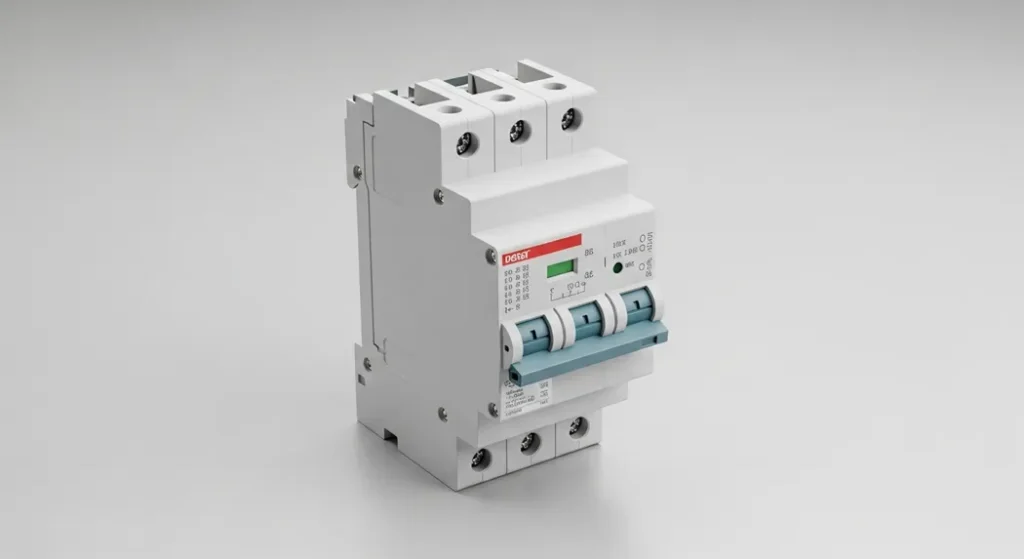
Figure 3: The homeowner electrical safety checklist systematic risk reduction without specialist knowledge.
Home Electrical Safety Priority Hierarchy of Protection Measures
Real Incident
A homeowner once tried to fix a washing machine without turning off the power. The floor was slightly wet. The shock wasn’t just painful it locked his muscles instantly. He survived, but only because someone nearby cut the power.
– Field Safety Report
1. Inspect Cords and Appliances Regularly
Perform monthly visual inspections of all power cords, plugs, and outlets. Look for fraying, exposed copper conductors, cracked insulation, scorch marks near plugs or outlets, and loose connections at the appliance end. Replace damaged items immediately never use tape as a repair for damaged high-voltage wiring. Follow guidance from the Electrical Safety Foundation International (ESFI) on identifying and responding to cord hazards. For proper power supply design principles relevant to your home appliances, see our power supply classification guide.
2. Install and Test Ground Fault Circuit Interrupters (GFCIs)
Install GFCIs in all wet and damp locations as mandated by the Consumer Product Safety Commission (CPSC) and NEC 210.8. Test every GFCI monthly using the built-in test button. A GFCI that fails to trip on test must be replaced immediately. If your home was built before 1975 and has not been updated, areas near water may lack GFCI protection entirely consult a licensed electrician for a safety assessment.
3. Keep Electrical Devices Away from Water
Never operate appliances hairdryers, phone chargers, electric shavers, radios near sinks, bathtubs, or other water sources. Even a plugged-in appliance that is switched off carries line voltage at its internal components. A dropped hairdryer into a filled bathtub delivers potentially lethal current even at the moment of contact, regardless of whether it was operating. GFCI protection in bathrooms provides the backstop, but the primary control is physical separation of appliances from water.
4. Match Light Bulb Wattage to Fixture Ratings
Installing a bulb rated higher than the fixture’s maximum wattage causes the socket and wiring to overheat, degrading insulation over time and creating a fire or shock hazard. Follow manufacturer ratings printed on all fixtures. Switching to LED bulbs (which produce far less heat for equivalent lumens) effectively eliminates this hazard in most residential applications, as noted in Energy Star guidelines.
5. Install Tamper-Resistant Receptacles
Standard outlets present an insertion hazard for young children. Tamper-resistant receptacles (TRRs) incorporate spring-loaded shutters that only open simultaneously requiring equal force on both slots making single-object insertion impossible. The National Fire Protection Association (NFPA) requires TRRs in all new residential construction under NEC 406.12. Homes built before this requirement should be upgraded, especially if children are present.
6. Have Older Wiring Professionally Evaluated
Homes built before 1960 may contain knob-and-tube wiring with original cotton-wrapped insulation that has become brittle. Homes built between 1965 and 1973 may have aluminum branch circuit wiring that requires special connectors and devices to prevent loose connections and fire hazards. Any home exhibiting frequently tripping breakers, flickering lights, outlets that feel warm to the touch, or a burning smell from outlets should be inspected immediately by a licensed electrician. These are classic symptoms of insulation failure or connection degradation.
Electrical Safety for Workers: NFPA 70E, OSHA & Lockout/Tagout
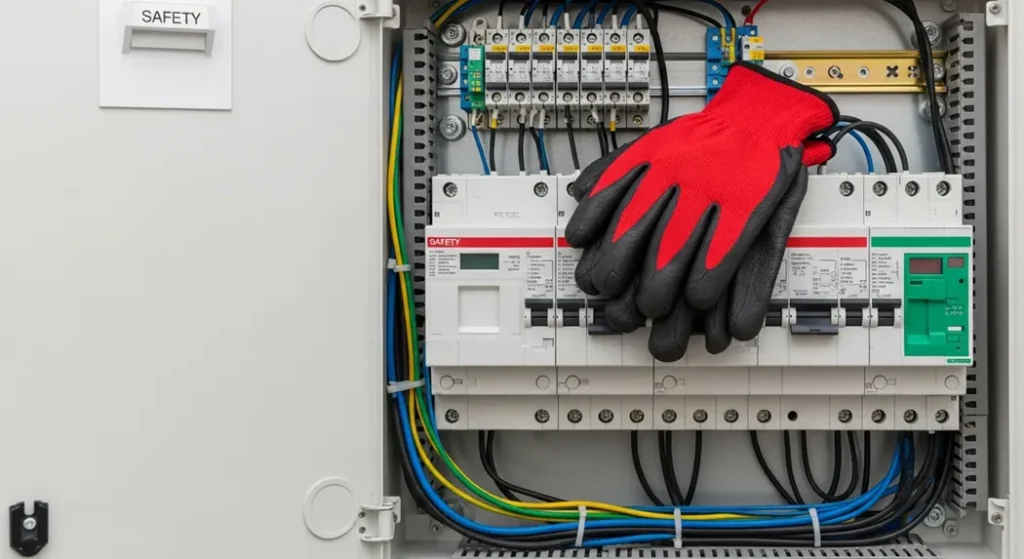
Figure 4: Industrial electrical safety tools from voltage testers to arc-rated PPE required under NFPA 70E.
NFPA 70E Hierarchy of Risk Controls Industrial Electrical Safety
Case Study
An industrial technician skipped lockout/tagout for a “quick fix.” The circuit re-energized unexpectedly. The result was a severe arc flash injury something that proper procedure could have completely prevented.
– OSHA Incident Summary
De-Energize Equipment Before Work: Lockout/Tagout (LOTO)
The most effective electrical safety measure in any workplace is eliminating the hazard entirely de-energizing equipment before work begins. OSHA’s Lockout/Tagout standard (29 CFR 1910.147) mandates a specific sequence for controlling hazardous energy sources during maintenance and servicing:
1
Notify Affected Employees
Inform all workers that equipment will be shut down and the LOTO procedure will be applied. Identify all energy sources (electrical, pneumatic, hydraulic, stored energy).
2
Identify All Energy Isolation Points
Locate every disconnect switch, circuit breaker, valve, and stored energy device that must be controlled. A written energy control procedure should list all these points.
3
Shut Down the Equipment
Follow the manufacturer’s shutdown sequence. Allow all stored energy (capacitors, springs, pressurized systems) to fully dissipate or be physically blocked.
4
Apply Lockout/Tagout Devices
Each authorized employee applies their personal padlock to every energy isolation point. Each worker keeps their own key no shared locks. A danger tag is affixed identifying the worker and prohibiting re-energization.
5
Verify Zero Energy State
This is the most critical and most frequently skipped step. Use a calibrated voltage tester to confirm zero voltage at all points of contact. Test before touch every time, without exception. Verify that capacitor banks have discharged.
6
Perform the Work
Proceed with maintenance. If leaving the work area, the LOTO devices remain in place. Never remove another worker’s lock.
🚨 LOTO Fatality Pattern
The most common pattern in electrical maintenance fatalities is: a worker assumes equipment is de-energized without verification, a second circuit feeds the same panel from a different source, or a colleague unknowingly re-energizes the system during maintenance. LOTO eliminates all three scenarios simultaneously it is the single procedure with the highest proven fatality-prevention impact in industrial electrical safety.
Maintain Safe Distances from Overhead Power Lines
Stay a minimum of 10 feet from overhead power lines rated up to 50kV. For lines rated 50kV–200kV, the minimum approach distance increases to 15 feet; for 200kV–750kV, to 20 feet. These distances apply to workers, equipment, materials, and vehicles. Use non-conductive fiberglass ladders and non-conductive tools when working in proximity to power lines, as advised by the International Association of Electrical Inspectors (IAEI). Contact the utility company before any work within 25 feet of overhead lines.
Electrical Safety Training: NFPA 70E Requirements
The NFPA 70E Standard for Electrical Safety in the Workplace requires that all qualified electrical workers receive training that covers recognition of electrical hazards, arc flash hazard identification, safe work practices, PPE selection, and emergency response procedures. Training must be refreshed every 3 years, or whenever there is a change in job duties, equipment, or work procedures. Unqualified persons must never work on or near exposed energized conductors without supervision and appropriate barriers.
PPE Selection Guide: Insulated Gloves, Arc Flash Clothing & ASTM Standards
Personal Protective Equipment is the last line of defence in electrical safety engineering controls and procedures must always be the primary protection. When live work cannot be avoided, PPE rated for the specific voltage and incident energy level is mandatory. The Underwriters Laboratories (UL) and ASTM standards define the testing protocols and performance requirements that PPE must meet.
Insulated Dielectric Gloves (ASTM D120)
| Class | Max Use Voltage (AC) | Test Voltage | Colour Code | Typical Application |
|---|---|---|---|---|
| Class 00 | 500V AC | 2,500V | Beige | Low-voltage residential, battery systems |
| Class 0 | 1,000V AC | 5,000V | Red | Standard low-voltage electrical work, PV systems |
| Class 1 Common Industrial | 7,500V AC | 10,000V | White | General industrial MV equipment |
| Class 2 | 17,000V AC | 20,000V | Yellow | Medium voltage switchgear, transformers |
| Class 3 | 26,500V AC | 30,000V | Green | High-voltage distribution |
| Class 4 | 36,000V AC | 40,000V | Orange | Utility transmission, >35kV substations |
Class 1 gloves, tested at 10,000V, create a resistance barrier of many megaohms between the worker’s hand and a 7,500V conductor maintaining current at a practically zero level even during incidental contact. Leather protector gloves must be worn over dielectric gloves during physical work to prevent puncture. Gloves must be re-tested every 6 months (ASTM D120) and inspected with an air inflation test before each use.
Arc Flash Protection: NFPA 70E Hazard/Risk Categories
| HRC Level | Min. Arc Rating (cal/cm²) | Required PPE | Typical Scenario |
|---|---|---|---|
| HRC 1 | 4 cal/cm² | Arc-rated shirt & pants, safety glasses, hard hat | 120V panelboard inspection, low-fault-current systems |
| HRC 2 Most Common | 8 cal/cm² | HRC 1 + arc-rated face shield, arc-rated balaclava, leather gloves | 480V MCC work, switchgear inspection up to 600V |
| HRC 3 | 25 cal/cm² | Full arc-rated suit (jacket + pants), arc flash hood, Class 2 gloves | Medium-voltage switchgear, transformer primary work |
| HRC 4 | 40 cal/cm² | Full multi-layer arc suit, arc flash hood with face shield, Class 2+ gloves | High-fault-current MV equipment, generator terminals |
⚠️ Arc Flash is Not the Same as Shock Hazard
Arc flash protection (cal/cm² rated clothing) and shock protection (insulated gloves, approach distances) are distinct but complementary requirements. An incident energy analysis per NFPA 70E is required to determine the correct arc flash PPE level this is a site-specific engineering calculation based on available fault current, protective device clearing time, and working distance. Generic PPE tables are a starting point, not a substitute for a formal arc flash study.
Insulating Mats and Rubber Blankets
Rubber insulating mats placed on the floor in front of switchgear provide a non-conductive standing surface that protects workers from step-potential hazards and incidental contact with earthed metalwork. Rubber blankets and insulating line hose are used to blanket adjacent live conductors and bus bars that cannot be de-energized during work. Both must meet IEEE standards and ASTM D1048 for resistive and physical properties, and must be tested and recertified periodically.
Troubleshooting Electrical Safety Symptoms: Fault Diagnosis Guide
Symptom 1: Tingling or “Buzz” When Touching Metal Appliance Casing
⚠️ Diagnosis: Leakage Current (1–5 mA)
Cause: Damaged internal wiring or moisture ingress is causing a leakage current, floating the metal chassis above ground potential. This is often between 1 mA and 5 mA below the GFCI trip threshold but sufficient to cause perception and potentially dangerous in wet conditions.
Immediate Action: Remove the appliance from service immediately. Do not use. Have internal insulation inspected and repaired by a qualified technician.
Engineering Fix: Install a GFCI outlet on that circuit. If leakage persists, the GFCI will trip at 5 mA but the root cause (damaged insulation) must still be repaired.
Symptom 2: GFCI or Breaker Trips Frequently
⚠️ Diagnosis: Persistent Ground Fault
Cause: A permanent fault path to ground is present worn appliance cords, moisture in wiring conduit, damaged cable insulation at a staple or pinch point, or a faulty appliance.
Diagnosis Procedure: Unplug all devices on the circuit. Reset the breaker/GFCI. If it holds, plug devices back in one by one until the trip recurs the last plugged device is the fault source. If the circuit trips with nothing plugged in, the fault is in the fixed wiring require professional inspection.
Important: A GFCI that trips is doing its job. Never bypass a tripping GFCI with a non-GFCI outlet to “solve” the problem.
Symptom 3: Visible Exposed Wires or Burn Marks at Outlets
🚨 Diagnosis: Insulation Failure / Overheating
Cause: Physical damage (pinching, rodent attack), thermal overload from an overloaded circuit, or age-related insulation brittleness has exposed live conductors or caused arcing at connections.
Immediate Action: Turn off the circuit at the breaker immediately. Do not use the outlet or any device on that circuit until professionally repaired.
Engineering Fix: Damaged cable sections must be replaced not repaired with electrical tape on high-voltage wiring. Use UL-rated methods, heat-shrink tubing for low-voltage, and proper splicing boxes with proper connectors for branch circuit work. Consider adding AFCI protection (NEC 210.12) if arcing is suspected.
Symptom 4: Multiple Shocks from the Same Outlet or Circuit
🚨 Diagnosis: Grounding Failure or Wiring Error
Cause: The grounding conductor in the circuit is open (broken or missing), a wiring error has swapped neutral and ground, or a reversed hot/neutral connection is causing equipment to be at line voltage on the neutral path.
Diagnosis: Use a non-contact voltage tester and a plug-in outlet tester (available at hardware stores for under $15) to check for wiring errors. A reversed polarity indication requires immediate electrician inspection this is a common error after DIY outlet replacement.
Fix: A licensed electrician must trace and correct the wiring fault. This is not a DIY repair after the fault has been identified.
Industry Standards & Compliance: NEC, NFPA 70E, IEC, OSHA, IEEE
| Standard | Issuing Body | Scope | Key Provision |
|---|---|---|---|
| NFPA 70 (NEC) USA Baseline | NFPA | US residential & commercial electrical installation | GFCI requirements (210.8), wiring methods, grounding (Article 250), AFCI (210.12) |
| NFPA 70E Workplace Safety | NFPA | US electrical safety in the workplace | Arc flash PPE, energized work permits, qualified person requirements, LOTO alignment |
| OSHA 29 CFR 1910 Subpart S | OSHA | US General industry electrical safety regulations | Legally binding worker protection requirements; LOTO (1910.147); electrical design safety |
| OSHA 29 CFR 1926 Subpart K | OSHA | US Construction industry electrical safety | GFCI at construction sites; overhead line clearances; temporary wiring requirements |
| IEC 60479 | IEC | International physiological effects of current | Defines lethal thresholds, body resistance models, safe touch voltage ≤50V AC |
| IEC 60364 | IEC | International low-voltage installation standard | Wiring systems, protection against shock, thermal effects; harmonized across 60+ countries |
| IEEE Std 80 | IEEE | AC substation grounding | Step and touch voltage calculations; grounding grid design for high-fault-current environments |
| UL 943 | UL | GFCI construction & performance testing | 5 mA trip threshold, trip time requirements, constructional requirements for all US-market GFCIs |
| ASTM D120 | ASTM | Rubber insulating gloves | 6-class voltage rating system (Class 00 to 4), physical and electrical test requirements, 6-month recertification |
Compliance Note for Engineers
In the United States, the NEC (NFPA 70) is the installation standard and NFPA 70E governs safe work practices. They are complementary, not redundant a building that is NEC-compliant at installation still requires NFPA 70E compliance for any subsequent maintenance, modification, or inspection involving energized work. OSHA 29 CFR 1910 Subpart S references NFPA 70 and 70E by incorporation, making compliance with these standards effectively a legal requirement in all OSHA-regulated workplaces.
Engineering Case Studies: Real Incidents & Prevention Analysis
Case Study 1 Faulty Grounding, Metal Equipment
Energized Equipment Casing: The Classic Ground Fault Scenario
A commercial kitchen appliance (a stainless steel mixer) had developed a hairline crack in the insulation of its internal motor wiring, causing the hot conductor to contact the metal chassis. The grounding conductor in the supply cord was intact, so the fault current flowed harmlessly to ground but the ground connection was drawing approximately 200 mA continuously, creating heat at the point of damage. The GFCI protection had been bypassed by the previous maintenance contractor who found it “too sensitive.”
An employee reached across the mixer to retrieve a bowl while standing on a damp concrete floor (barefoot). Current path: energized chassis → hands → foot → wet concrete → earth. The result was a severe hand-to-foot shock. The employee survived but required cardiac monitoring for 24 hours.
🚨 Failures and Prevention
Failure 1: GFCI bypassed a direct OSHA violation and the primary cause. A functioning 5 mA GFCI would have tripped before the fault current reached the worker. Failure 2: Grounding conductor had degraded under the floor without inspection routine megger testing of equipment insulation would have detected this. Prevention: Never bypass GFCI protection. Implement quarterly insulation resistance testing (500V DC megger) on all commercial kitchen equipment per NFPA 70E maintenance requirements.
Case Study 2 LOTO Failure, Industrial Maintenance
Unexpected Re-Energization During Switchgear Maintenance
A maintenance electrician was replacing a contactor in a 480V MCC (Motor Control Center) at a manufacturing plant. He had de-energized the section, verified zero voltage with his meter, and began work without applying a personal padlock (facility had a group lockout procedure with a shared lock, which was removed by a supervisor who was unaware maintenance was ongoing on that specific section). A second worker, following a production restart procedure, energized the MCC section. The maintenance electrician received a full 480V shock with arc flash exposure.
🚨 Failures and Prevention
Root Cause: Shared lockout device with no personal padlock. One person can remove another’s protection. OSHA Violation: 1910.147 requires individual personal padlocks for each authorized employee. Prevention: Enforce individual padlock policy without exception. All workers should carry their own lock and key and apply it personally to every isolation point. Implement a written energy control procedure listing every isolation point for each piece of equipment.
Case Study 3 Arc Flash Incident, Inadequate PPE
Arc Flash Severity vs PPE Rating Mismatch
An electrician was performing routine voltage measurements on a 480V switchgear panel with high available fault current (65 kA). An incident energy analysis had never been performed for this facility. The electrician wore standard cloth work clothes and no face shield common practice at this site prior to a formal NFPA 70E program implementation. A phase-to-phase arcing fault occurred during the voltage measurement (likely caused by a contaminated probe tip making incidental contact). The resulting arc flash produced an incident energy of approximately 18 cal/cm² at the worker’s position. Burns to 30% of face and arm surface area resulted.
✅ After the Incident
The facility commissioned an arc flash hazard analysis per NFPA 70E. Equipment was labeled with incident energy levels. An HRC 2 arc flash kit (8 cal/cm² minimum rated face shield, arc-rated shirt and pants) was made standard for all 480V panel work. The estimated incident energy at the most critical switchgear exceeded HRC 4 those panels were interlocked to require de-energization before door access. Zero arc flash injuries in the 7 years following implementation.
From the Field Oliver Adams, Licensed Electrician
The most dangerous assumption I encounter in residential electrical work is “it’s probably off.” I carry a non-contact voltage tester in my shirt pocket every single day, and I use it before touching any wire even after I’ve turned off the breaker myself. I have personally found circuits still live at outlets where the panel label said “Off” due to double-tapping, backstab connections, and mis-labeled panels. The tester costs $25 and takes 2 seconds to use. That habit has almost certainly saved my life at least twice in 15 years.
Oliver Adams, Licensed Electrician, 8 Years Experience, NFPA 70E Certified
Emergency Response to Electrical Shock: Step-by-Step Protocol
Despite every precaution, electrical shocks still occur. Correct immediate response is critical the physiological damage from ventricular fibrillation becomes irreversible within 4–6 minutes without defibrillation. Follow these steps based on guidelines from the American Red Cross:
1
DO NOT Touch the Victim
If the person is still in contact with the electrical source, touching them will make you the next victim. Your first action must be to interrupt the current, not to grab the person.
2
Interrupt the Current Immediately
If safe and possible, turn off the power source at the breaker, disconnect switch, or by unplugging the appliance. In industrial settings, use the emergency stop button or the lockout point. If the source cannot be interrupted, use a non-conductive object (dry wooden board, plastic chair, rubber mat) to push the victim away from the conductor never use your hands.
3
Call Emergency Services (911) Immediately
Call for emergency medical services the moment the victim is separated from the source. Do not wait to assess the severity internal burns and cardiac effects may not be immediately visible. Even a victim who appears conscious and uninjured after a significant shock requires immediate medical evaluation.
4
Assess and Begin CPR if Necessary
Once separated from the source and emergency services are called, check the victim for responsiveness and normal breathing. If the person is unresponsive and not breathing normally, begin chest compressions immediately. Do not delay for a pulse check begin compression-only CPR at 100–120 compressions/minute if you are not trained in full CPR.
5
Use an AED (Automated External Defibrillator) if Available
If an AED is available on-site, retrieve it immediately. AEDs provide step-by-step voice instructions and can restore normal heart rhythm if ventricular fibrillation has occurred. Every minute without defibrillation reduces survival probability by approximately 10%. AEDs are now required in many commercial buildings and are available in most airports, shopping malls, and large workplaces.
6
Treat for Shock and Monitor Until EMS Arrives
If the victim is breathing, lay them flat with legs slightly elevated (unless spinal injury is suspected). Keep them warm and calm. Do not give food or water. Continue monitoring breathing and pulse. Report the voltage, duration of contact, and path of current to paramedics this information guides treatment decisions.
🏥 Post-Shock Medical Requirement
All victims of significant electrical shock even those who feel fine and show no immediate symptoms require hospital evaluation. Electrical current passing through the chest can cause delayed-onset ventricular arrhythmias hours after the incident. Internal burn injuries along the current path (particularly through the forearm and shoulder) are not visible externally but can cause serious complications. The treating physician should be informed about the estimated voltage, duration, and current path.
GFCI vs Traditional Breaker: Protection Comparison
✅ GFCI Protection
- Trips at 5 mA well below the 50 mA lethal threshold
- Responds within 25 ms before cardiac fibrillation can occur
- Detects ground faults that standard breakers ignore entirely
- Protects against shocks from appliances, tools, and wiring faults
- Can protect an entire circuit branch from a single GFCI outlet
- Tested and certified under UL 943 objective performance guarantee
⚠️ Standard Circuit Breaker
- Trips at 15–20 A 3,000 to 4,000× the lethal current threshold
- Response time: 0.1–2 seconds for sustained overcurrent too slow to prevent electrocution
- Does not detect small leakage currents through a person to ground
- Designed to protect wiring from fire not humans from shock
- Will not trip at all during a 100 mA ground fault (lethal, but only 0.5% of rated capacity)
- Provides zero protection in the scenario most likely to kill
Frequently Asked Questions
What is the safe touch voltage for humans?
IEC 60479 defines the maximum safe touch voltage at 50V AC under dry conditions. Under wet conditions (bathrooms, outdoor environments, swimming pools), this limit drops to 12–25V AC. This is why SELV (Safety Extra-Low Voltage) circuits for bathroom lighting and pool equipment must operate below 12V. The 50V AC limit exists because at this voltage, even under worst-case wet-skin conditions (1,000 Ω), the resulting current (50 mA) sits at the edge of the fibrillation threshold defined in IEC 60479. Any higher voltage increases the probability of fatal current flow.
How does a GFCI prevent electrical shock?
A GFCI (Ground Fault Circuit Interrupter) continuously monitors the differential current between the hot and neutral conductors using a toroidal sensing transformer. Under normal conditions, all current flowing out through the hot wire returns through the neutral their difference is zero. If a person touches a live conductor, some current flows through their body to ground instead of returning via the neutral. This creates a detectable imbalance. When this imbalance reaches 4–6 mA, the GFCI trips its internal solenoid within 25 milliseconds or less, interrupting power before the current can reach the 50 mA ventricular fibrillation threshold. The GFCI works even when a circuit is otherwise functioning normally a standard breaker would not trip at these current levels.
Which standards govern electrical safety?
The key standards are: NFPA 70 (NEC) US residential and commercial installation standard; NFPA 70E US workplace electrical safety; OSHA 29 CFR 1910 Subpart S (general industry) and 1926 Subpart K (construction) legally enforceable US regulations; IEC 60479 international standard defining physiological effects of current on the human body; IEC 60364 international low-voltage installation standard harmonized across 60+ countries; IEEE Std 80 substation grounding; UL 943 GFCI construction and performance; ASTM D120 insulated rubber gloves. In most jurisdictions, NEC compliance is a legal requirement for new construction and renovation work.
What causes electrical shocks at home?
The most common causes in residential settings are: damaged insulation on appliance cords (frayed, cracked, or pinched wiring exposing live conductors); water contact with electrical devices (wet hands, appliances near sinks or bathtubs); faulty grounding allowing equipment casings to become energized; overloaded circuits causing heat damage to insulation; DIY wiring errors such as reversed polarity or improper wire connections; and outdated wiring systems (knob-and-tube, aluminum branch circuits) that lack modern protection. According to the Electrical Safety Foundation International (ESFI), home electrical fires and shock injuries are predominantly caused by damaged cords and improper appliance use.
Can low-voltage shocks (under 50V) be dangerous?
Yes. While IEC 60479 defines 50V AC as the safe touch voltage under dry conditions, this limit assumes normal body resistance (~1 kΩ minimum). In wet conditions, broken skin, or with electrodes making direct internal contact (as in medical devices or some industrial accidents), body resistance can drop drastically making even 12V potentially hazardous. Additionally, prolonged contact at voltages below the perception threshold can cause internal tissue damage from heating (I²R losses) without the person being aware of the current flow. The NIOSH guideline to “treat all circuits as live until confirmed otherwise” applies to all voltages, not just those above 50V.
What PPE is required for electrical work?
PPE requirements depend on the voltage level and arc flash incident energy determined by an NFPA 70E hazard analysis. At minimum, all electrical work on or near exposed energized conductors requires: insulated rubber gloves rated for the applicable voltage (ASTM D120 Class 0 minimum for 1,000V work); safety glasses or face shield; non-conductive hard hat (Class E rated). For work on 480V and above switchgear and MCCs, arc-rated clothing and full face shields or arc flash hoods rated for the incident energy level (cal/cm²) are required under NFPA 70E. Never perform live electrical work without a completed job hazard analysis and appropriate PPE, as mandated by OSHA.
How can I make my home safer from electrical shocks?
The highest-impact steps are: (1) Install GFCI protection in all wet and damp locations (kitchens, bathrooms, outdoor areas, garages) this single measure prevents the majority of residential electrical shock fatalities; (2) Install tamper-resistant receptacles throughout, especially if children are present; (3) Inspect all cords and appliances monthly and replace damaged items immediately; (4) Never use electrical appliances near water; (5) Have the electrical panel inspected if the home is more than 25 years old or shows symptoms (tripping breakers, warm outlets, flickering lights); (6) Follow the manufacturer’s wattage ratings for all light fixtures. Consult resources from the Consumer Product Safety Commission and ESFI for comprehensive home electrical safety checklists.
🔒 Bottom Line: Electrical Safety Is Engineering, Not Luck
Electrical shock prevention is not about caution or awareness alone it is about understanding the physics of current flow through the human body (Ohm’s Law, IEC 60479 thresholds), implementing engineered barriers (GFCIs, insulation, grounding, bonding), following established procedures (LOTO, energized work permits), and wearing appropriate protection when barriers fail (arc-rated PPE, insulated gloves).
Every fatal electrical incident has a preventable root cause. Faulty GFCIs that failed because they were never tested. Grounding conductors corroded and open for years without inspection. Workers who assumed equipment was de-energized without verification. PPE rated for 8 cal/cm² in an 18 cal/cm² arc flash environment. The engineering controls and standards described in this guide exist precisely because these failures are predictable and preventable.
Whether you are a homeowner installing a new appliance, a maintenance electrician servicing industrial switchgear, or a safety engineer developing a facility electrical safety program, the principles are the same: measure the hazard quantitatively, implement the highest-order control available, verify effectiveness, and treat every unverified circuit as energized until proven otherwise.
⚠️ Safety Disclaimer
This article provides educational information about electrical safety principles, standards, and best practices. It is written for informational purposes and to support understanding of engineering concepts. It does not constitute professional electrical advice and is not a substitute for site-specific hazard analysis, licensed electrical inspection, or training by a qualified electrical safety professional.
All electrical work should be performed by licensed electricians in compliance with the applicable national and local electrical codes (NEC, IEC 60364, local amendments), OSHA regulations, and NFPA 70E requirements as applicable. Never work on live electrical systems without proper training, authorization, and appropriate PPE. When in doubt, de-energize and verify before proceeding.
📚 Related Guides on Procirel
🔌 Electrical Engineering
Electrical Engineering Hub
All electrical guides, tutorials and technical references
⚡ Power Systems
Power Supply Classification Guide
SELV, PELV, FELV understanding the voltage classes that define electrical safety
📐 Fundamentals
Electronic Circuits & Fundamentals
The physics of current, voltage, and resistance that underpin every safety calculation
🔧 Switching
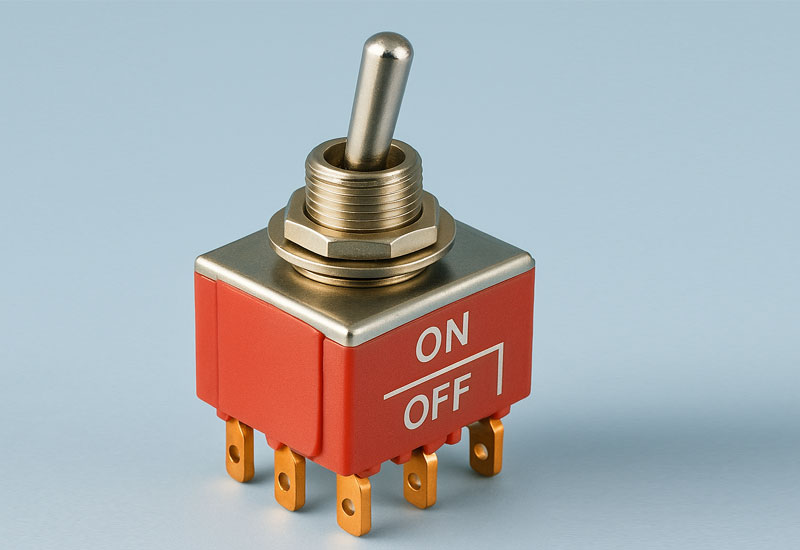
How to Use a DPDT Switch
Wiring, testing and motor control applications for double-pole double-throw switches
🌡️ Measurement
How to Measure Room Temperature
5 proven methods including sensor-based and formula approaches
🔋 Energy Storage
Battery Selection Guide for Engineers
Lithium vs NiMH choosing the right battery chemistry for your application
📏 Instrumentation
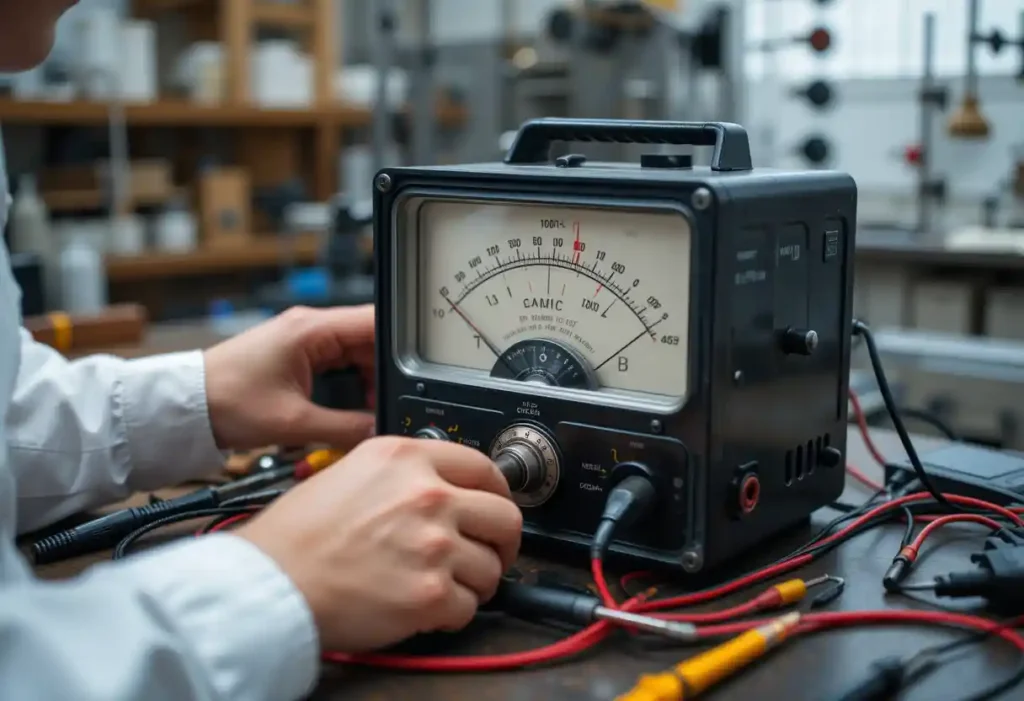
Moving Iron Instrument Calibration
Engineer’s guide to calibrating and maintaining moving iron repulsion-type instruments
🏠 Procirel
Procirel Engineering Home
Electronics tutorials, circuit guides, electrical engineering and PCB design resources
👷
About the Author
Oliver Adams
Licensed Electrician & Electrical Safety Engineer · 8 Years Experience
Oliver Adams is a licensed electrician with 15 years of experience in residential and commercial electrical systems, industrial maintenance, and electrical safety program development. He holds certification in NFPA 70E electrical safety standards and has designed and delivered electrical safety training programs for construction, manufacturing, and utility clients across North America. His specialties include arc flash hazard analysis, LOTO program development, and residential electrical safety assessment.
Licensed Master Electrician
NFPA 70E Certified
OSHA 30-Hour Construction
15 Years Field Experience
📎 References & Authoritative Sources
-
1
OSHA Electrical Safety Electrical Hazards and Controls US Federal Regulation Primary US regulatory authority for workplace electrical safety; 29 CFR 1910 Subpart S and 1926 Subpart K. -
2
CDC / NIOSH Electrical Safety Government Health Authority National Institute for Occupational Safety and Health electrical incident statistics and prevention guidance. -
3
NFPA 70E Standard for Electrical Safety in the Workplace Industry Standard The definitive US standard for safe electrical work practices, arc flash PPE, and energized work procedures. -
4
NFPA 70 National Electrical Code (NEC) Installation Standard Foundation of US electrical installation requirements including GFCI mandates (Section 210.8) and grounding (Article 250). -
5
CPSC Electrical Safety Consumer Guide Government Consumer Protection Consumer Product Safety Commission residential electrical safety guidance and recall information. -
6
ESFI Electrical Safety Foundation International Non-Profit Safety Organization Statistical data on electrical fires, injuries, and fatalities; homeowner and worker safety resources. -
7
Underwriters Laboratories (UL) Electrical Safety Testing Testing Laboratory UL 943 (GFCI), UL 1699 (AFCI), and other electrical device certification standards referenced throughout this guide. -
8
OSHA 29 CFR 1910.147 Lockout/Tagout Standard US Federal Regulation The control of hazardous energy (lockout/tagout): legally binding LOTO requirements for all US general industry workplaces. -
9
IEEE Institute of Electrical and Electronics Engineers Professional Standards Body IEEE Std 80 (AC substation grounding); IEEE standards for insulating mats and blankets (ASTM D1048). -
10
IAEI International Association of Electrical Inspectors Professional Association Overhead power line safe approach distances and electrical inspection standards. -
11
Bureau of Labor Statistics Census of Fatal Occupational Injuries: Electrical Federal Statistics Annual data on US workplace electrical fatalities by industry, event type, and worker characteristics. -
12
American Red Cross Electric Shock Emergency Response Emergency Response Authority Step-by-step first aid and CPR guidance for electrical shock victims. -
13
Hydro-Québec Electrical Shock Safety Tips Utility Safety Resource Practical residential electrical safety guidance from a major North American utility. -
14
Energy Star Light Bulb Safety Guidelines Government Energy Program Wattage compliance and LED safety guidance for residential lighting fixtures. -
15
NECA National Electrical Contractors Association Industry Association Best practices for electrical installation, inspection scheduling, and safety culture in commercial construction.